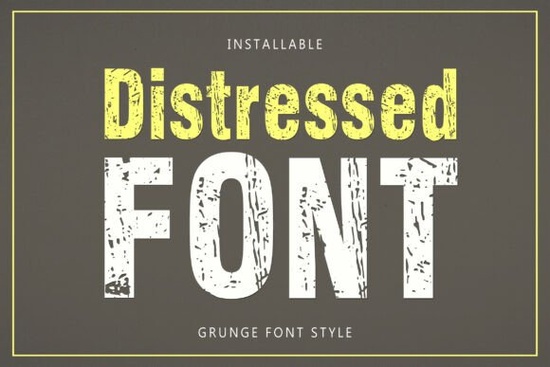
If you're looking for a typeface that brings grit, history, and personality to your designs without sacrificing legibility, the Distressed Font is worth a closer look. This bold, vintage-inspired font features rough edges, subtle wear, and intentional imperfections that mimic real-world aging perfect for projects that need an authentic retro or grunge vibe. Whether you’re designing band posters, army-themed apparel, or branding for a rustic café, this font adds instant character while staying clean enough to read at a glance.
What makes a distressed font work well in real projects?
Not all textured fonts are created equal. Some lean too heavily into chaos, becoming hard to read or inconsistent across letters. The Distressed Font strikes a balance: each glyph has unique weathering, but the underlying structure remains solid and proportional. That means it scales well from small product labels to large wall art and pairs smoothly with cleaner typefaces when needed.
For print-on-demand sellers, this reliability matters. Customers won’t buy a T-shirt if they can’t quickly read the slogan. For crafters making vinyl decals or wood signs, consistency ensures your cuts stay crisp. And for small businesses building a brand with a rugged edge (think coffee roasters, breweries, or outdoor gear), this font delivers attitude without alienating your audience.
How does it compare to other display fonts?
Creative Fabrica offers a wide range of display fonts, each serving different moods. If you love bold personalities but want something softer, you might also explore the Mila Font, which blends modern curves with hand-lettered warmth. Or if your project leans playful and youthful, the Girly Pop Font brings bubbly energy with rounded forms and cheerful bounce.
On the more decorative side, the Gemstone Font adds sparkling elegance ideal for wedding invites or luxury packaging while the Crayons Font mimics childlike handwriting, great for educational materials or nostalgic branding. But when your vision calls for grit, rebellion, or military-inspired toughness, the Distressed Font stands out in the lineup.
Where should you use this font?
This typeface shines in contexts where authenticity and texture matter:
- Retro branding – Think diners, record stores, or vintage motorcycle shops.
- Apparel design – Hoodies, tees, and caps with slogans that feel “lived-in.”
- Event posters – Music festivals, garage sales, or underground art shows.
- DIY crafts – Stenciled wood signs, laser-engraved leather tags, or iron-on patches.
- Army or tactical themes – From survival gear logos to patriotic merch.
Avoid using it for body text or anything requiring fine detail it’s a display font first. But as a headline, logo element, or accent type, it commands attention without shouting.
Is it easy to install and use?
Yes. Like most Creative Fabrica fonts, the Distressed Font comes in standard formats (OTF/TTF) compatible with Adobe Creative Suite, Canva, Silhouette Studio, Cricut Design Space, and more. Once installed on your system, it works just like any other font no special software needed. You can also layer it with textures or distress effects in your design app for even deeper aging, though the built-in wear often eliminates the need.
For reference, you can see more about this style and similar options on Distressed Font.
Tips for getting the most out of it
Because the texture is part of the letterform, avoid over-processing it. Don’t add heavy drop shadows or outlines that clash with its organic feel. Instead, pair it with ample negative space and neutral backgrounds kraft paper, concrete gray, or faded denim tones let the font breathe.
Also, test readability at your intended size. While it holds up well down to 24pt in print, smaller digital uses (like social thumbnails) may lose clarity. When in doubt, preview it on the actual product mockup before finalizing.
Before you start your next project, check this quick list:
- Confirm your design platform supports OTF/TTF fonts.
- Use the font only for headlines, logos, or short phrases not paragraphs.
- Pair it with a simple sans-serif (like Helvetica or Montserrat) for contrast.
- Avoid adding extra noise or grunge overlays they’ll compete with the font’s built-in texture.
- Preview on real-world mockups (T-shirts, mugs, signs) to ensure impact and legibility.
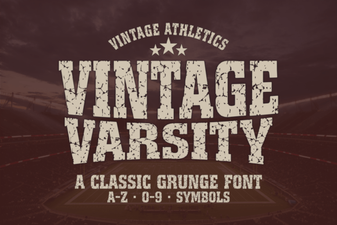 Design Your Project with Vintage Varsity Font
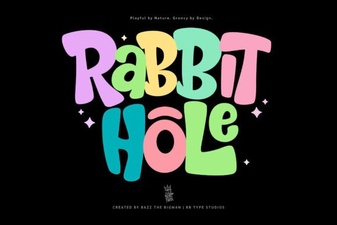 Rabbit Hole Font: a Unique Creative Toolkit
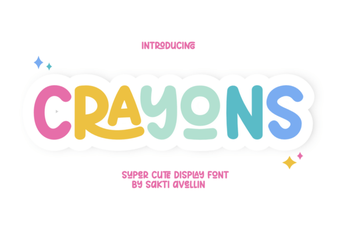 The Crayons Font for Playful & Creative Designs
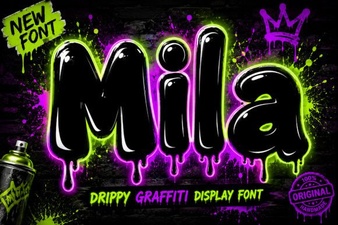 Mila Font: Creative Designs & Style Guide
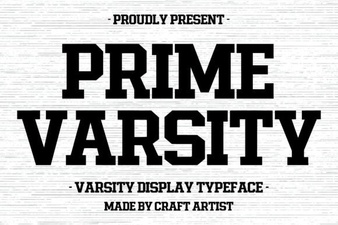 Prime Varsity: Your Creative Toolkit Font
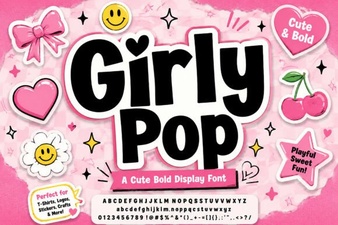 Craft with Girly Pop Fonts for Creative Designs